


Documentary Defamation Fights Are Becoming Hollywood's New Legal Battleground
Documentary Defamation Fights Are Becoming Hollywood's New Legal Battleground

OK! Staff Tue, August 4, 2026 at 12:39 PM UTC
0
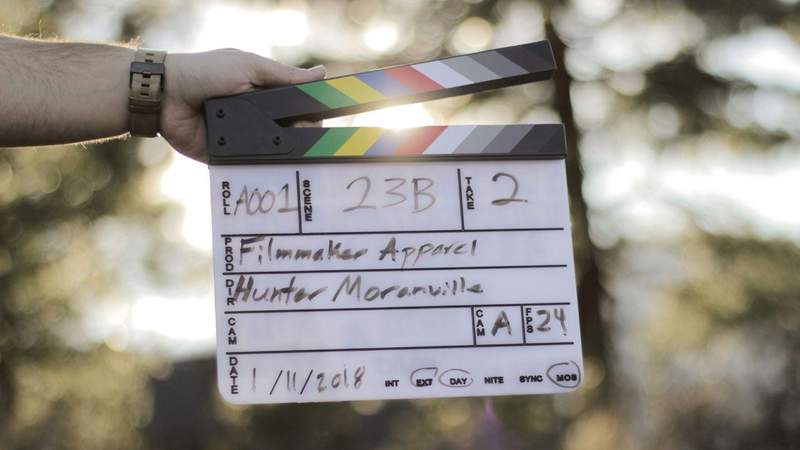
Documentary lawsuits continue to reshape Hollywood's legal landscape.UNSPLASH
Documentaries have become prestige entertainment, streaming bait and reputation warfare all at once.
Now, the subjects of those films are increasingly going to court when they believe the final cut damages their name.
Recent disputes have touched Netflix, NBCUniversal, Peacock, Investigation Discovery and individual filmmakers, with claims tied to everything from celebrity profiles and true-crime stories to business documentaries and abuse allegations.

Filmmakers faced defamation lawsuits over documentary storytelling.UNSPLASH
Some lawsuits have been dismissed, while others have moved into trial or prelitigation fights.
The common thread is no longer just whether a documentary said something false, but whether its storytelling created a damaging impression.
The Public Figure Hurdle
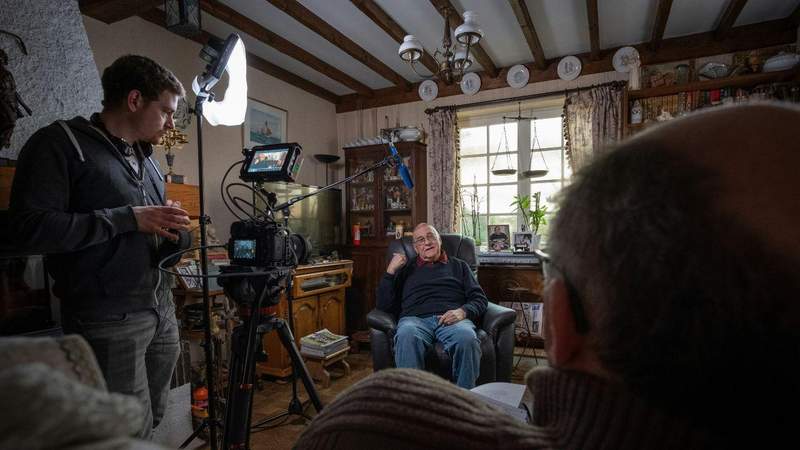
A lawyer warned misleading edits could trigger defamation claims.UNSPLASH
Danny Karon, an attorney and law instructor whose new book, Your Lovable Lawyer's Guide to Legal Wellness: Fighting Back Against a World That's Out to Cheat You, devotes a chapter to defamation, said celebrities face a demanding legal standard.
“According to the U.S. Supreme Court case New York Times v. Sullivan, a public figure may succeed in a defamation claim only if they prove ‘actual malice’, meaning knowledge that the statement was false or reckless disregard of whether it was false or not,” Karon explained.
“‘Reckless disregard’ requires more than negligence, sloppy journalism, or failure to investigate,” he added. “It means publication with serious doubts as to the truth of what is published.”
The Editing Problem

Public figures challenged documentaries over damaging portrayals.MEGA
“In the case of a documentary, the film does not have to say something explicitly false to create defamation exposure,” said Tisha Morris, founder of Legacy Arts Law. “Editing, narration, music, and the placement of two otherwise accurate facts can combine to create a false and damaging implication.”
Advertisement
That concern has become more visible as documentary subjects challenge not only finished films, but trailers, omissions and allegedly manipulated portrayals.
Tyra Banks, for example, sued Netflix over an America’s Next Top Model documentary, claiming her comments were misleadingly edited. Kalshi accused Netflix of defamation over a trailer for a prediction-markets documentary. Other recent cases involving Sean “Diddy” Combs and Chris Brown have been dismissed.
Where Filmmakers Get Exposed
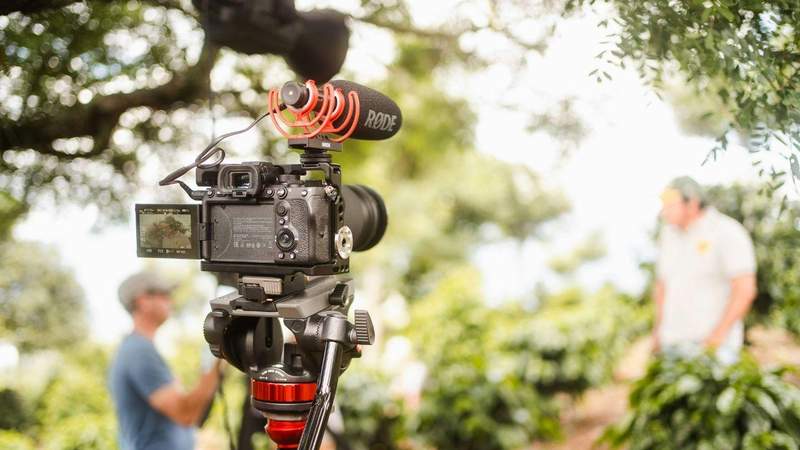
Experts stressed the importance of rigorous fact-checking.UNSPLASH
“The greatest landmines are relying on a single questionable source, repeating another person’s defamatory accusation without verification, altering quotations, removing exculpatory context, using reenactments that viewers may mistake for fact, and creating a misleading impression in the edit,” Morris said.
The stakes rise when a project alleges criminal conduct, sexual misconduct, fraud or professional dishonesty.
“The safest documentary practice is rigorous sourcing,” Morris said, including primary records, corroboration, preserved research files, subject response and “material facts that cut against the film’s thesis.”
Karon put the caution more bluntly: “The less content creators stir up controversy about celebrities, the safer they'll be.”
Read more at OK!
Get OK!'s biggest scoops and scandals delivered right to your inbox. Sign up now.
FOLLOW OK! ON WHATSAPP HERE: Stay across all the latest in celebrity, entertainment, and pop culture via our WhatsApp channel. No comments, no algorithm and nobody can see your private details.
Source: “AOL Entertainment”
