


How “Little Shop of Horrors” found the perfect voice for Audrey II
How “Little Shop of Horrors” found the perfect voice for Audrey II

Wesley StenzelTue, October 6, 2026 at 12:30 PM UTC
0
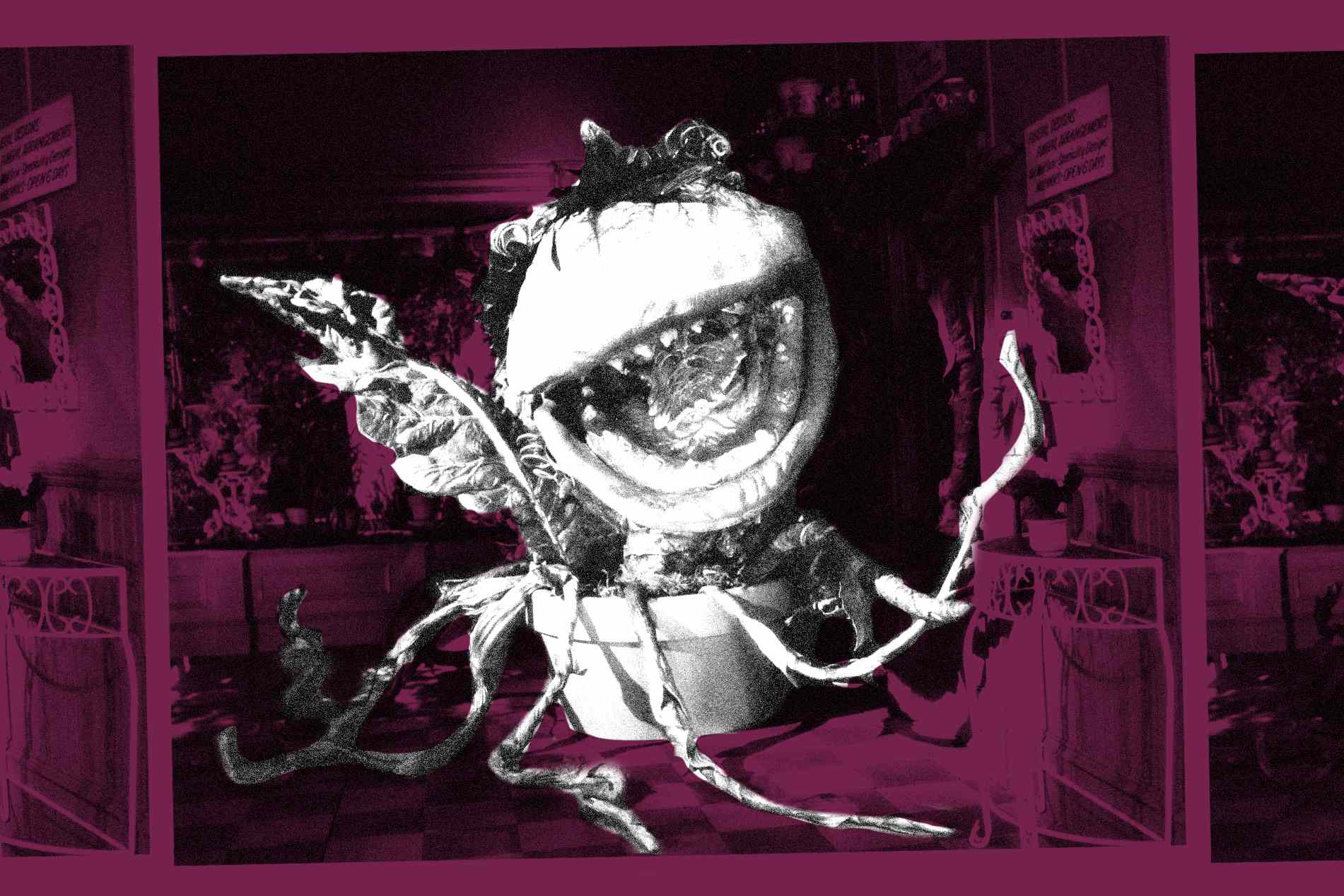
Audrey II in ‘Little Shop of Horrors’Key points -
Little Shop of Horrors turns 40 this year.
Casting director Margery Simkin shares the story of how she found the perfect voice for Audrey II.
The casting director also recalls how an old friend from Beverly Hills Cop lent a hand during a Detroit casting session.
Feed me!
Frank Oz’s film adaptation of Little Shop of Horrors is celebrating its 40th anniversary this year, and casting director Margery Simkin is sharing some of her fondest memories from assembling the film’s cast.
Led by Rick Moranis and Ellen Greene, the star-studded ensemble includes Steve Martin, John Candy, Bill Murray, and Christopher Guest — but Simkin tells Entertainment Weekly that nothing was more difficult than finding the right voice for Audrey II, the carnivorous potted plant at the heart of the musical’s conflict.
“We had auditioned a bunch of people for that part — people from Broadway,” she recalls. “It was a moment in time where you actually didn’t reach out like you do now. Now you would always look at people in music and people in other fields, but you really didn’t back then. And I always say: You can’t underestimate serendipity in this process, particularly in surprises.”
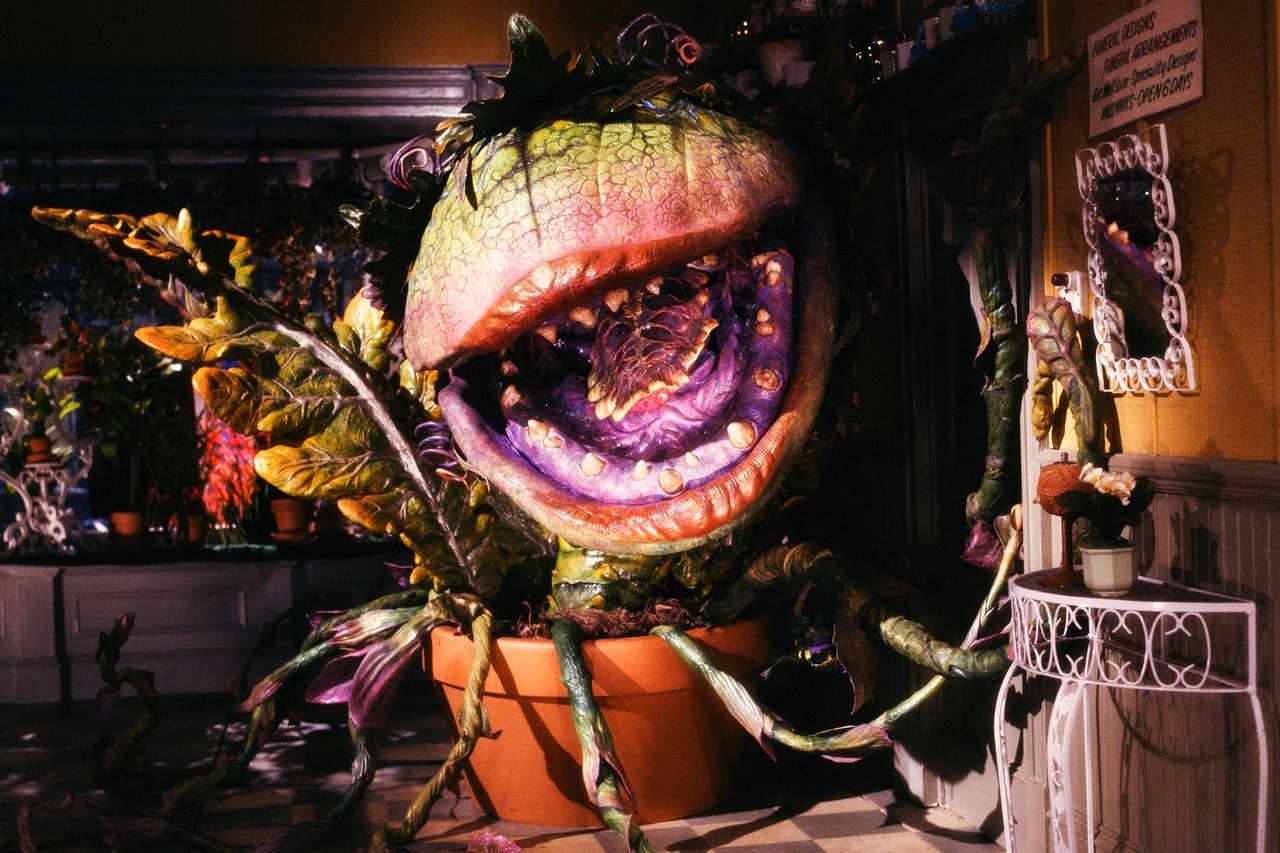
Audrey II in ‘Little Shop of Horrors’Credit: Murray Close/Sygma/Sygma via Getty
Simkin was in the midst of the casting process in the summer of 1985 when the Live Aid benefit concerts took the world by storm. “I wasn’t a big music person,” Simkin admits, but remembers thinking that the lineup — which included Queen, Madonna, Mick Jagger, Bob Dylan, Led Zeppelin, and the Beach Boys — is “an astonishing list to look at” in retrospect.
The casting director had gone away for the weekend of the Live Aid broadcast, still in the middle of the casting process without a great choice for Audrey II in sight. “I was at somebody’s parents’ house in the Hamptons at the time, and you kind of wander in and look at an act or two, then you’d wander out and have lunch — we weren’t just sitting there through the whole thing,” she explains.
Simkin happened to be in the room when a major Motown soul group took the stage. “I walked in and the Four Tops were singing,” she says. “Levi Stubbs had a solo moment where I heard his sound and I went, ‘Oh my God!’”
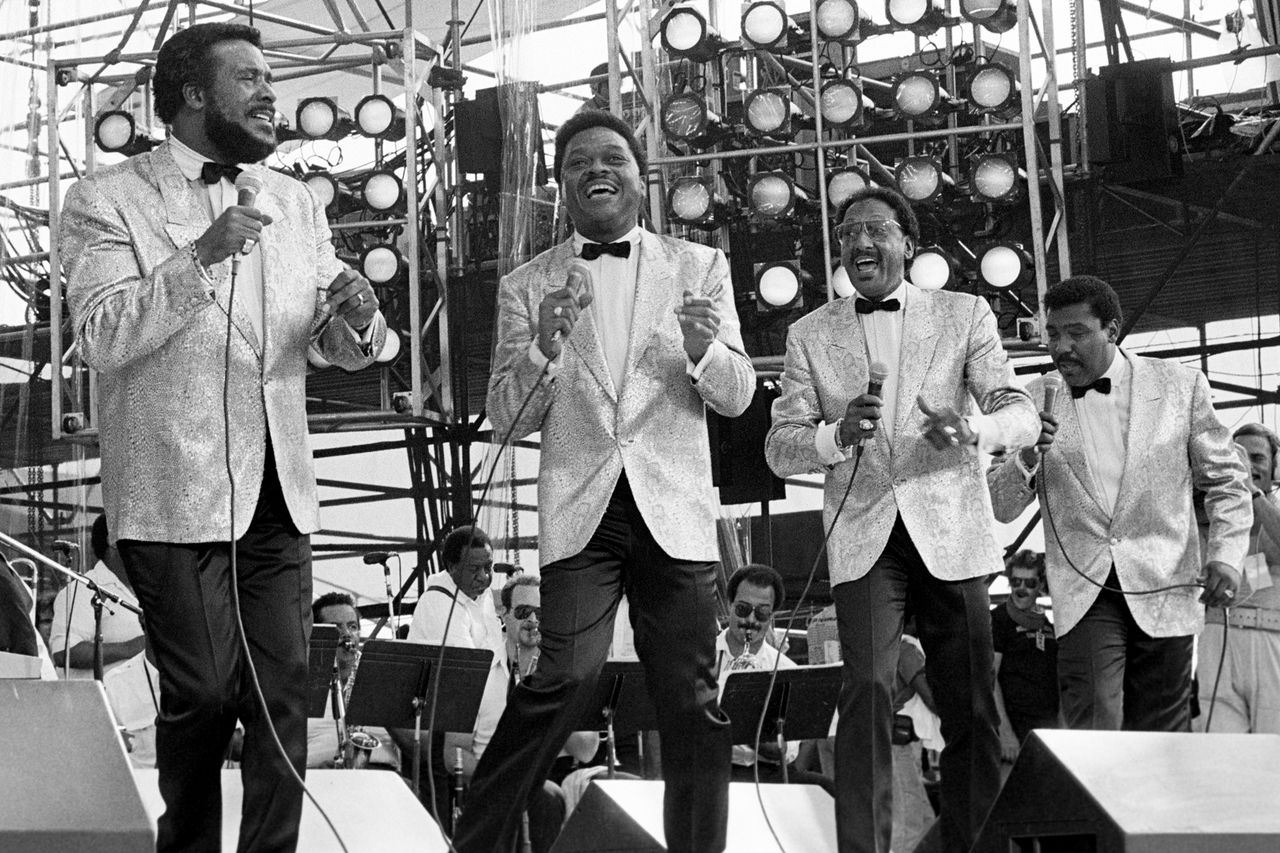
Levi Stubbs (left) performing with the Four Tops at Live Aid in Philadelphia on July 13, 1985Credit: Ebet Roberts/Redferns
Simkin proposed casting Stubbs as Audrey II as soon as she could get in contact with musical director Robby Merkin, who was skeptical of the choice because the singer had no prior screen acting experience. “He said, ‘No, it’s a great voice, but who knows if he can act?’” she remembers.
Merkin agreed to have Stubbs audition with the other contenders, but Simkin’s team struggled to track down the singer’s representatives to arrange the meeting. “How do we get to this guy that none of us knew?” she recalls. “We called friends of friends of friends, and I had worked on Fame, and so those guys knew some music people. So somehow we got to him and got him to come in and audition with Robby. He was a terrific actor as well as a great singer.”
Simkin now realizes that she failed to exploit one of the film’s greatest assets: music executive David Geffen, who served as the movie’s producer. “This is the really stupid part of the story,” she says. “Why didn’t we call him and ask? I think I was a little scared of him.”
Stubbs eventually came through and auditioned with a rendition of Wilson Pickett’s “In the Midnight Hour.” “That was when everybody would come in and sing,” Simkin says. “And they would sing it, and then Robby would say, ‘Sing it like you’re scared, sing it like you’re angry, sing it like you’re sexy!’”
The casting director says that the film wouldn’t have been the same if not for that fateful Live Aid coincidence. “If I had not stepped into that room at that moment, he would not have been in the movie,” she says.
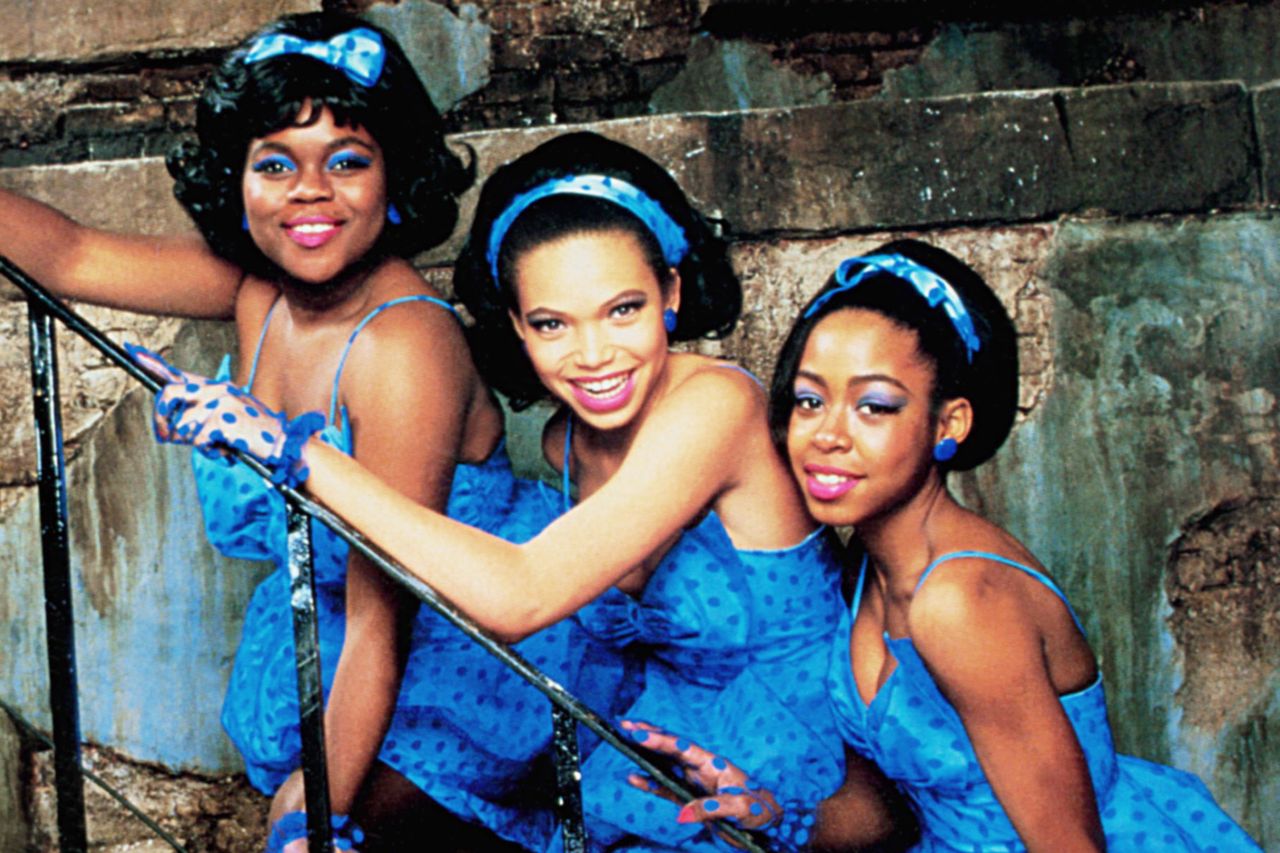
Michelle Weeks, Tisha Campbell, and Tichina Arnold in ‘Little Shop of Horrors’Credit: Warner Brothers/Everett
Simkin also struggled to narrow down the countless auditioners to portray Crystal, Ronette, and Chiffon, the trio of characters who act as the film’s Greek chorus narrators.
The trio was modeled after Motown girl groups, so Simkin figured they should look to the Motor City to consider authentic Detroiters, which led to one of her lowest moments in the Little Shop saga: the casting team brought six or seven crew members to a local music school to hold auditions, and they ended up outnumbering the musicians who arrived to try out. “We worked really, really hard, and then nobody showed up,” she remembers.
Get your daily dose of entertainment news, celebrity updates, and what to watch with our EW Dispatch newsletter.
Advertisement
Baffled and disappointed, Simkin contacted Gil Hill, the head of the Detroit Police Department’s homicide division, whom she had cast in a supporting role in Beverly Hills Cop. “He had said to me at the end of the movie, ‘If you ever need Gil Hill, call me,’” she remembers. “And I thought, ‘Okay, I hope I don’t end up in jail in Detroit!’”
Simkin invited Hill to lunch. “I’m really freaking out because nobody’s shown up,” she remembers telling him. “And he said, ‘Let me make a couple of calls.’”
The casting director has no idea how Hill pulled it off, but he completely changed the crew’s fortunes with a few phone calls. “I don’t know who he called, but when we got back from lunch, there was a line,” she explains. “He said, ‘You just have to be vetted. You have to call the right people.’ And then I felt like an idiot not for calling him at the beginning.”
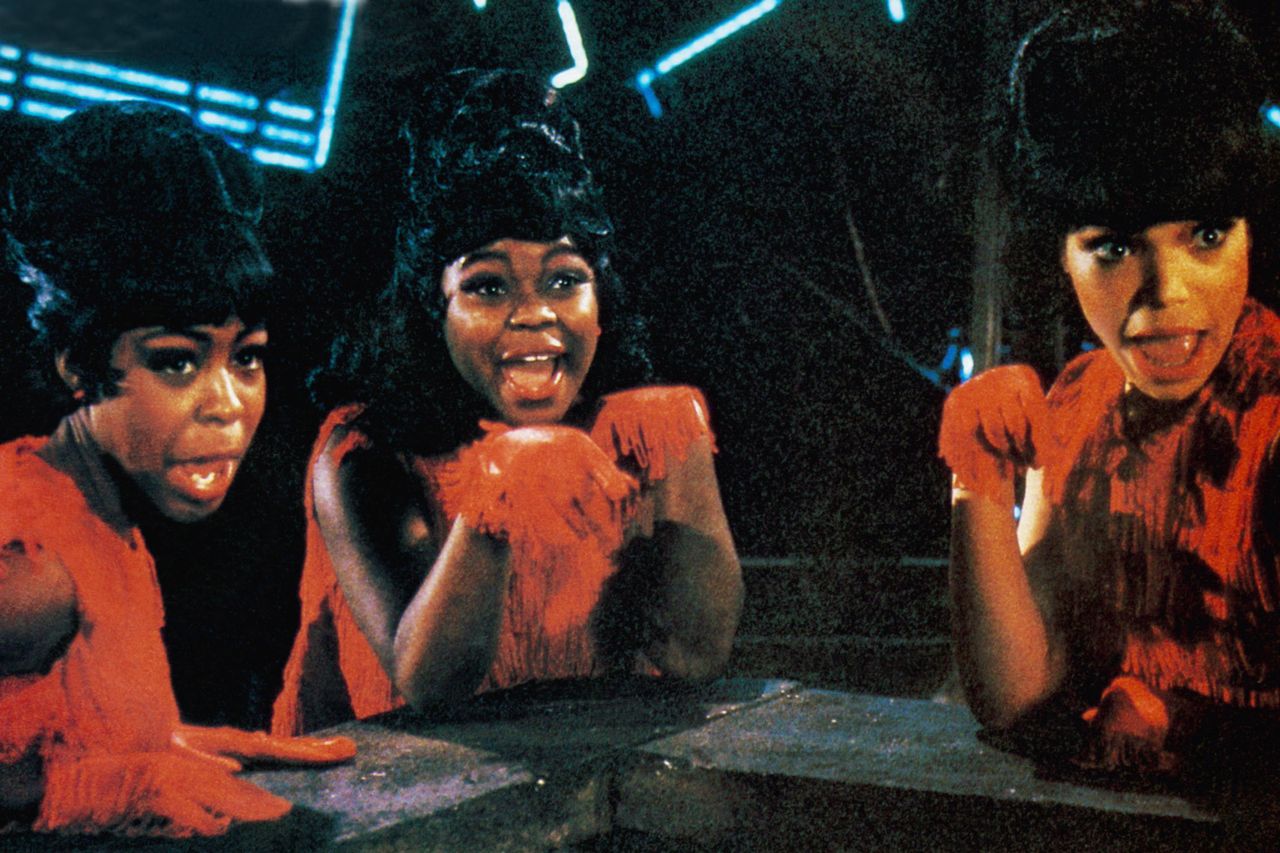
Tichina Arnold, Michelle Weeks, and Tisha Campbell in ‘Little Shop of Horrors’Credit: Warner Brothers/ Everett
The film ultimately cast Tichina Arnold, Tisha Campbell, and Michelle Weeks as Crystal, Chiffon, and Ronette, respectively, after they auditioned in New York. “They all had personality — they didn’t just sing well, they were fun,” Simkin reflects. “They were outwardly energetic in little different ways.”
Simkin isn’t surprised that Arnold and Campbell went on to successful Hollywood careers: The former starred on Everybody Hates Chris and the latter appeared in the House Party films and My Wife and Kids after they acted together on Martin.
“It’s delightful,” she says. “I mean, you never know. There’s so many talented people that don’t go on, and it’s not because they’re not gifted, it’s because the opportunities don’t present themselves for what they have to offer. When you’re casting, you cast for what’s right for your project. You don’t cast for who you think is going to turn into a star.”
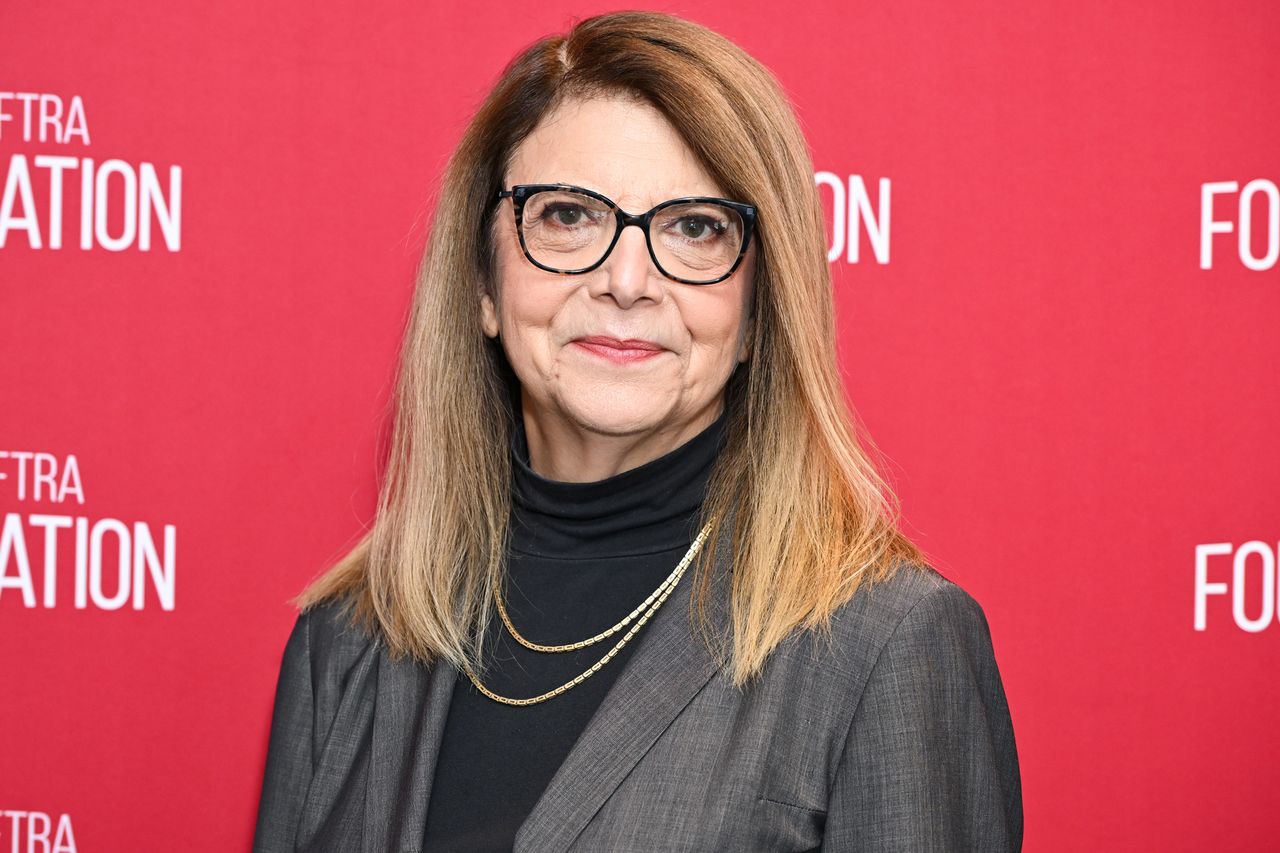
Margery Simkin in Los Angeles on Dec. 10, 2025Credit: Olivia Wong/Getty
Get your daily dose of entertainment news, celebrity updates, and what to watch with our EW Dispatch newsletter.
Simkin says that Oz was responsible for bringing Moranis in as Seymour, the lovably wimpy protagonist who hesitantly feeds human flesh to Audrey II until she grows out of control.
“He was perfect for it,” she says. “While he was different than the guy who played Seymour in the Off Broadway production, Lee Wilkof, he had a similar little guy energy. I thought he was fantastic.”

Rick Moranis in ‘Little Shop of Horrors’Credit: Murray Close/Sygma/Sygma via Getty
The casting director is heartened that Moranis is finally returning to the big screen in the Spaceballs sequel next year after spending decades away from Hollywood. “I’m so happy that he’s doing it, really, just as an audience member,” she says. “You wonder: If he had continued, who knows what his career would’ve been, you know what I mean? What he would’ve ended up in.”
Little Shop was revived Off Broadway in 2019, and has been running for seven years, so there’s clearly still an appetite for the story in the 2020s. Geffen was even set to produce a remake of the movie with Taron Egerton, Scarlett Johansson, Chris Evans, and Billy Porter potentially in the cast, but the project ultimately fell apart. Simkin isn’t sure that the movie should be remade.
“To just remake it because it’s great and it hasn’t been done in a while for me is not enough of an excuse,” she says. However, she remains open to another Little Shop movie if there’s a creative distinction from the 1986 version.
“I think with all of these, you have to have something else to say,” she says. “If somebody has an idea of how to do a different take on it, then go for it. I don’t know what that would be — it’s a big endeavor.”
Despite the various challenges of assembling the cast, Simkin remembers Little Shop being a much more straightforward project to handle than other films. “It isn’t like on other things where you know what it should be, but you can’t quite find it. Those are the ones that drive you nuts,” she says. “The thing that’s wonderful about the piece is there’s a clarity to each character. They serve a very clear purpose in the story, and whatever that purpose is, they are very much that, and everything is good-hearted on some level.”
on Entertainment Weekly
Source: “AOL Entertainment”
