


Stephen King’s 5 Most Popular Novels, According to Goodreads Readers
Stephen King’s 5 Most Popular Novels, According to Goodreads Readers

Ed GrossSun, October 4, 2026 at 10:00 PM UTC
0
Richard Keith Wolff/Avalon/Getty Images
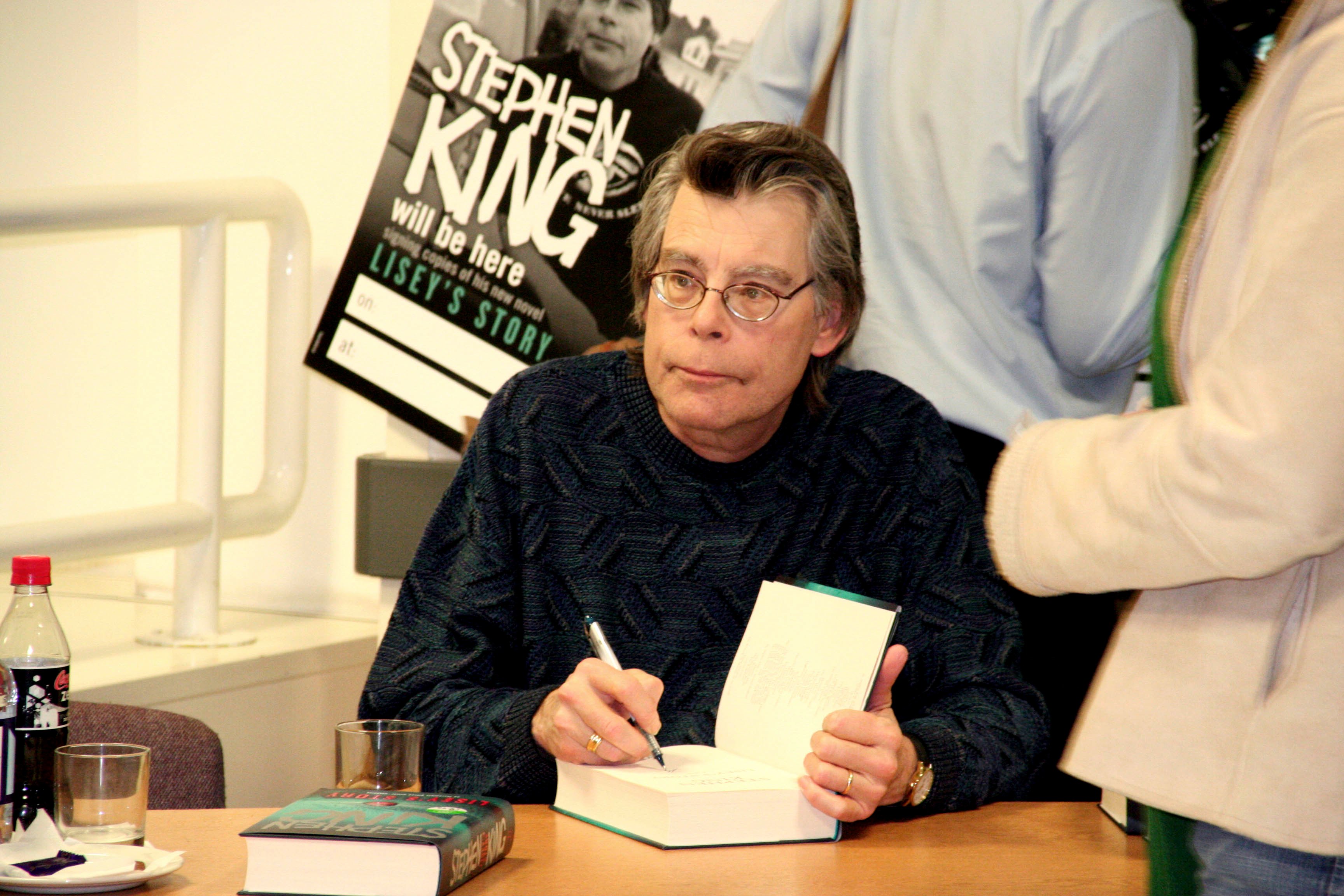
Pretty obvious to anyone who has followed Stephen King’s career over the past 50+ years is the fact that readers have plenty of titles to choose from. Since the publication of Carrie in 1974, the author has produced dozens of novels spanning horror, fantasy, suspense and science fiction, while introducing characters and stories that have become fixtures of popular culture. But which books do his readers love the most?
Goodreads offers an interesting answer with its reader-voted “Best of Stephen King” list, and the top five reveal something surprising: Despite the fact that he’s continuing to publish new novels decades into his career, every book at the top of the list comes from an extraordinary 12-year stretch between 1975 and 1987.
Leading the ranking is the post-apocalyptic epic The Stand, followed by It, The Shining, Misery and 'Salem's Lot. Together, they feature everything from killer viruses and vampires to haunted hotels, obsessive fans and one very terrifying clown. Yet comments from Goodreads readers suggest there's more behind their staying power than scares alone. They repeatedly praise King's characters, friendships, sense of place and ability to make the supernatural feel frighteningly real.
What follows is a look at Goodreads readers' five favorite Stephen King novels—and what King himself has said about creating them.
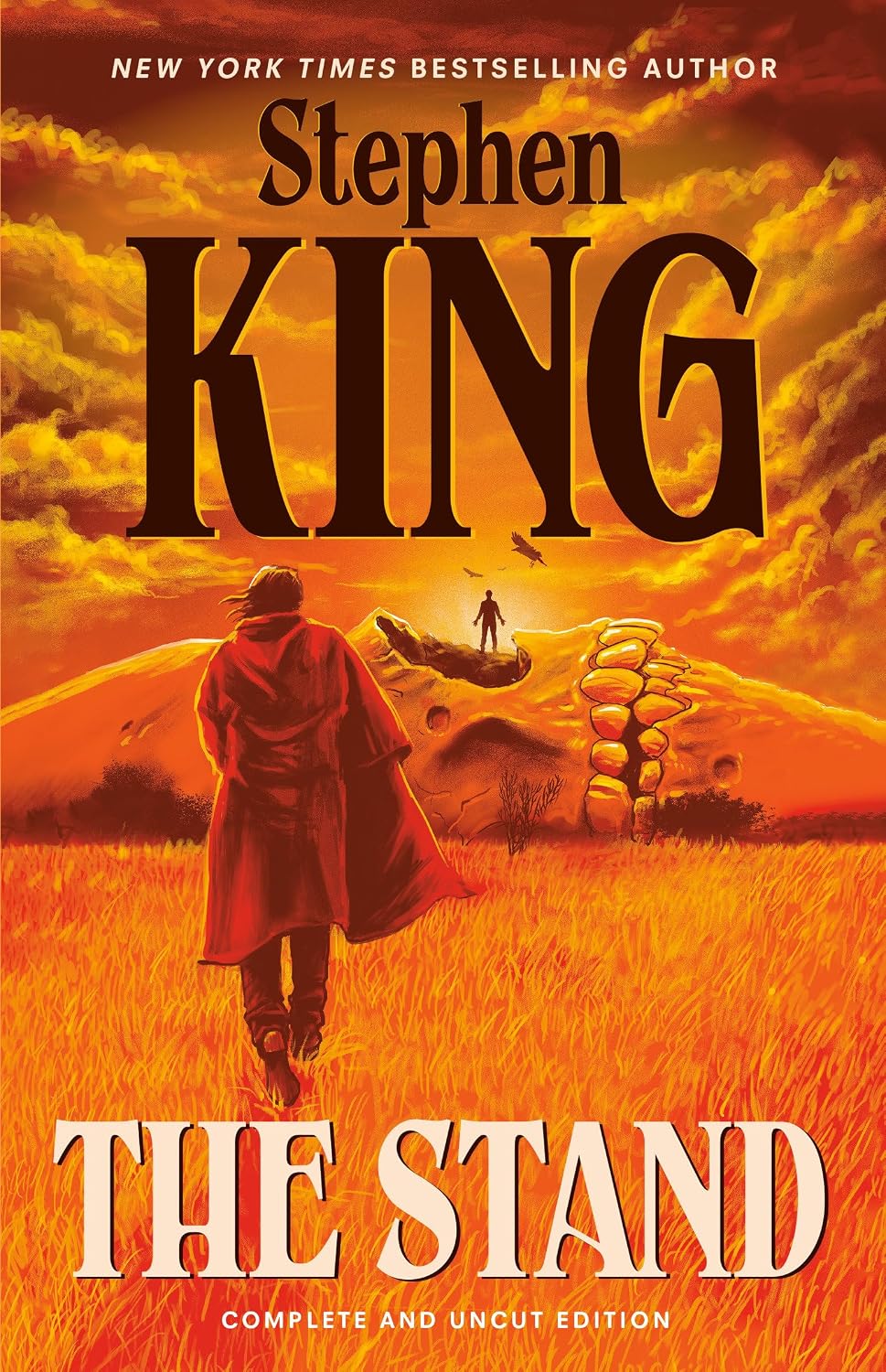
‘The Stand’ (1978)
Amazon
Publisher: Doubleday
What it's about: A deadly virus escapes from a government laboratory and races across America, wiping out most of the population and leaving a scattered collection of survivors to rebuild their lives. As they gradually find one another, two very different communities emerge. One gathers around the elderly Mother Abagail in Boulder, Colorado; the other is drawn to Las Vegas and the sinister Randall Flagg. What begins as a frighteningly plausible story of pandemic and societal collapse ultimately expands into an epic confrontation between good and evil, with ordinary survivors forced to decide not merely how they will live in the new world, but what kind of world they want it to become.
The readers say: Fantasy novelist Mark Lawrence praises King's ability to “breathe life into characters and every day settings,” explaining that the believability makes readers care when the stakes—and horrors—arrive. Lyn, meanwhile, calls The Stand “an epic, genre defining work” and says that despite its enormous length, “it’s a runaway train, grabbing the reader up and taking him or her where Stephen King wants to take you.”
Stephen King says: “For a long time—10 years, at least—I had wanted to write a fantasy epic like The Lord of the Rings, only with an American setting. I just couldn't figure out how to do it. Then, slowly after my wife and kids and I moved to Boulder, Colorado, I saw a 60 Minutes segment on CBW (chemical-biological warfare). I never forgot the gruesome footage of the test mice shuddering, convulsing, and dying, all in 20 seconds or less. That got me remembering a chemical spill in Utah that killed a bunch of sheep (these were canisters on their way to some burial ground; they fell off the truck and ruptured). I remembered a news reporter saying, ‘If the winds had been blowing the other way, there was Salt Lake City.’”
“This incident later served as the basis of a movie called Rage, starring George C. Scott, but before it was released, I was deep into The Stand, finally writing my American fantasy epic, set in a plague-decimated USA. Only instead of a hobbit, my hero was a Texan named Stu Redman, and instead of a Dark Lord, my villain was a ruthless drifter and supernatural madman named Randall Flagg. The land of Mordor (‘where the shadows lie,’ according to Tolkien) was played by Las Vegas.” (Stephen King)
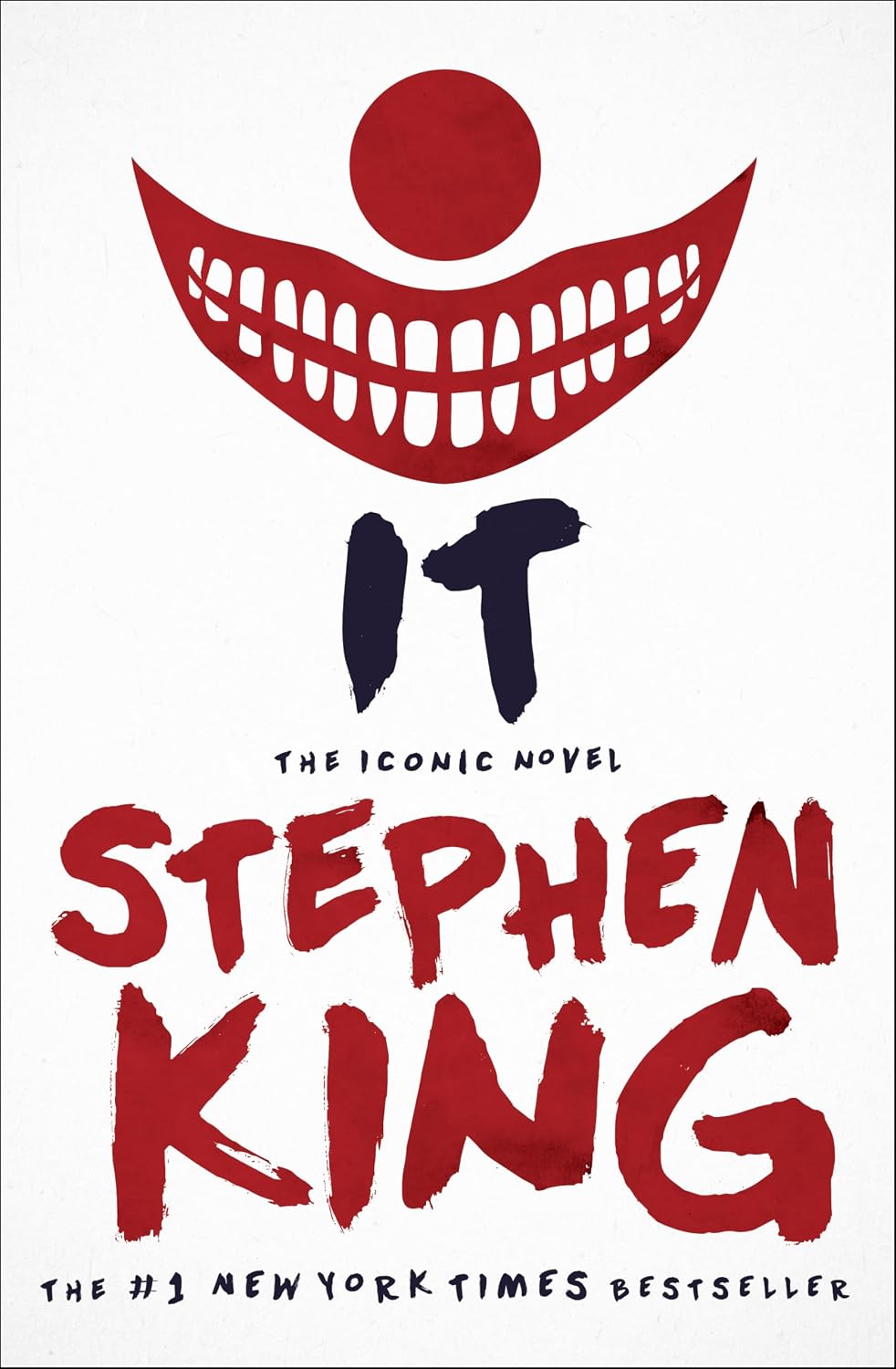
‘It’ (1986)
Amazon
Publisher: Viking Press
What it's about: Seven childhood friends in Derry, Maine—the self-proclaimed Losers Club—discover that the disappearances and murders haunting their hometown are connected to an ancient shape-shifting evil that frequently takes the form of Pennywise the Dancing Clown. After confronting the creature as children, they make a promise to return should it ever come back. Twenty-eight years later, that promise calls them home. As forgotten memories resurface, King moves between childhood and adulthood, turning the battle against a monster beneath Derry into a larger story about friendship, fear, memory and the pieces of childhood that adults leave behind.
The readers say: Maciek argues that It is ultimately “a story about friendship and childhood,” particularly the power of memory, imagination and “the terror of the familiar world which hides many secrets around the corners and down in the sewers.” Justin Tate offers a more personal testament to the book's staying power: after encountering It at 10 and returning to it as an adult, he observes, “Our minds change, our bodies change, but so much remains the same.”
Stephen King says: The inspiration for It began in 1978 while his family was living in Boulder, Colorado. After the transmission literally fell out of their new AMC Matador, he decided to walk the three miles to the dealership when the repaired car was ready. The route took him along a narrow, unlit road toward an isolated industrial park on the outskirts of Boulder — a seemingly ordinary walk that would help spark the idea for It.
“By the time I got to the road it was twilight—in the mountains the end of day comes in a hurry—and I was aware of how alone I was. About a quarter of a mile along this road was a wooden bridge, humped and oddly quaint, spanning a stream. I walked across it. I was wearing cowboy boots with rundown heels, and I was very aware of the sound they made on the boards; they sounded like a hollow clock. I thought of the fairy tale called ‘The Three Billy-Goats Gruff’ and wondered what I would do if a troll called out from beneath me, ‘Who is trip-trapping upon my bridge?’”
“... I forgot about the bridge and the troll in the business of picking up my car and signing the papers, but it came back to me off and on over the next two years. I decided that the bridge could be some sort of symbol—a point of passing. I started thinking of Bangor, where I had lived, with its strange canal bisecting the city, and decided that the bridge could be the city, if there was something under it. What's under a city? Tunnels. Sewers. Ah! What a good place for a troll! Trolls should live in sewers! A year passed… I started to remember Stratford, Connecticut, where I had lived for a time as a kid. In Stratford there was a library where the adult section and the children's section was connected by a short corridor. I decided that the corridor was also a bridge, one across which every goat of a child must risk trip-trapping to become an adult. About six months later I thought of how such a story might be cast; how it might be possible to create a ricochet effect, interweaving the stories of children and the adults they become. Sometime in the summer of 1981 I realized that I had to write about the troll under the bridge or leave him—IT—forever.” (Stephen King)
Advertisement
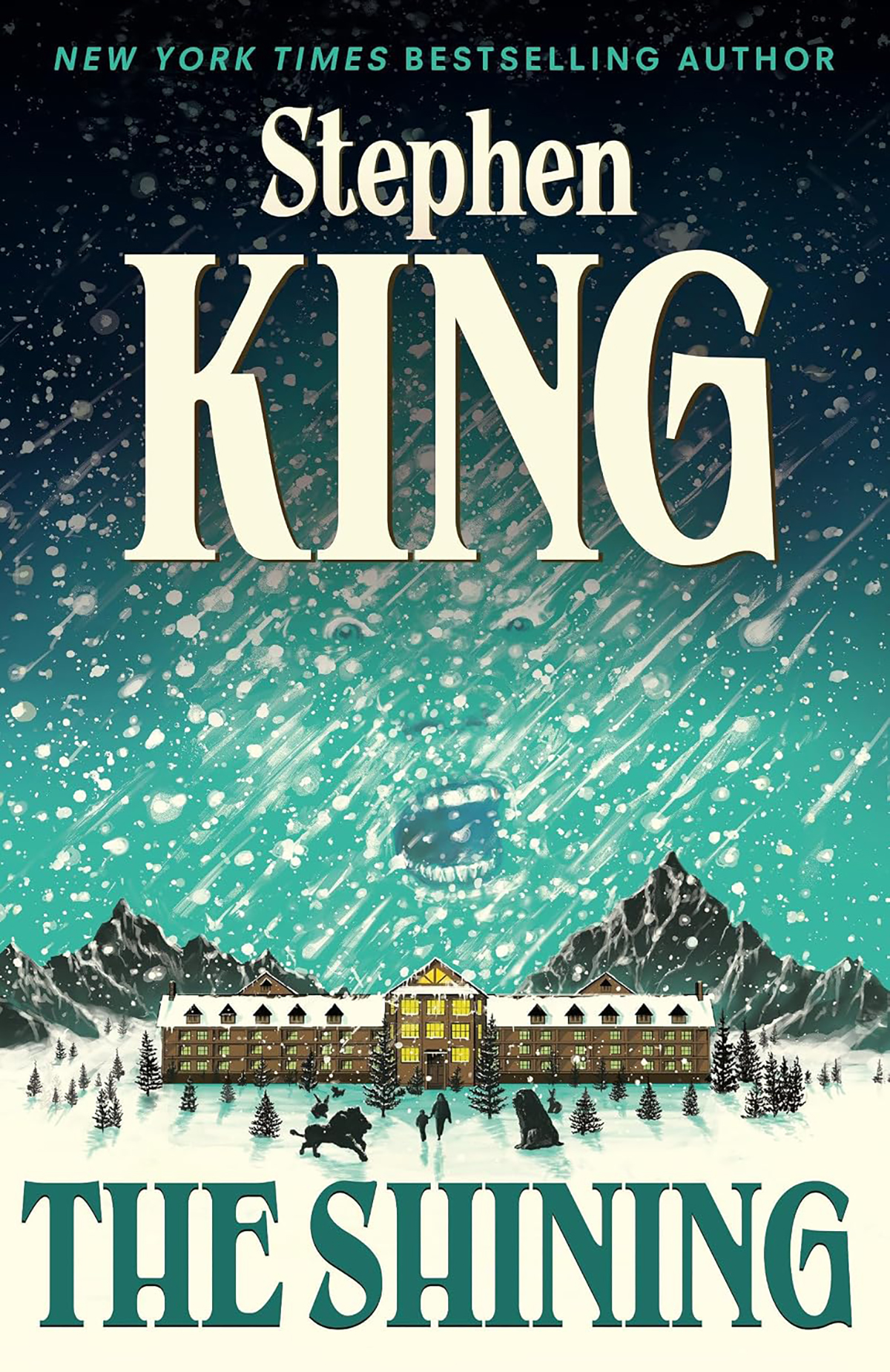
‘The Shining’ (1977)
Amazon
Publisher: Doubleday
What it's about: Struggling writer and recovering alcoholic Jack Torrance accepts a job as winter caretaker of Colorado's isolated Overlook Hotel, hoping the months away will give him a chance to repair both his career and his troubled relationship with his wife, Wendy, and young son, Danny. But Danny possesses a powerful psychic ability known as “the shining,” allowing him to sense the terrible history lingering within the hotel. Once snow cuts the Torrances off from the outside world, the Overlook begins exploiting Jack's anger, addiction and weaknesses. What follows is both a supernatural haunted-house story and the increasingly terrifying collapse of a family trapped with its own demons.
The readers say: After multiple rereads, megs_bookrack says, “Each time I reread this story, I pick up finer details and begin to care more and more deeply for this cast of fantastically-developed characters.” She particularly praises King's ability to transform the Overlook “into an actual character in the story.” Chelsea Humphrey finds the horror particularly effective because it is “so grounded in reality,” arguing that the supernatural elements can almost take a backseat to the destructive effects of alcoholism on a family.
Stephen King says: “In late September of 1974, Tabby and I spent a night at a grand old hotel in Estes Park, the Stanley. We were the only guests as it turned out; the following day they were going to close the place down for the winter. Wandering through its corridors, I thought that it seemed the perfect—maybe the archetypical—setting for a ghost story. That night I dreamed of my three-year-old son running through the corridors, looking back over his shoulder, eyes wide, screaming. He was being chased by a fire-hose. I woke up with a tremendous jerk, sweating all over, within an inch of falling out of bed. I got up, lit a cigarette, sat in the chair looking out the window at the Rockies and by the time the cigarette was done, I had the bones of the book firmly set in my mind.” (Stephen King)
‘Misery’ (1987)
Amazon
Publisher: Viking Press
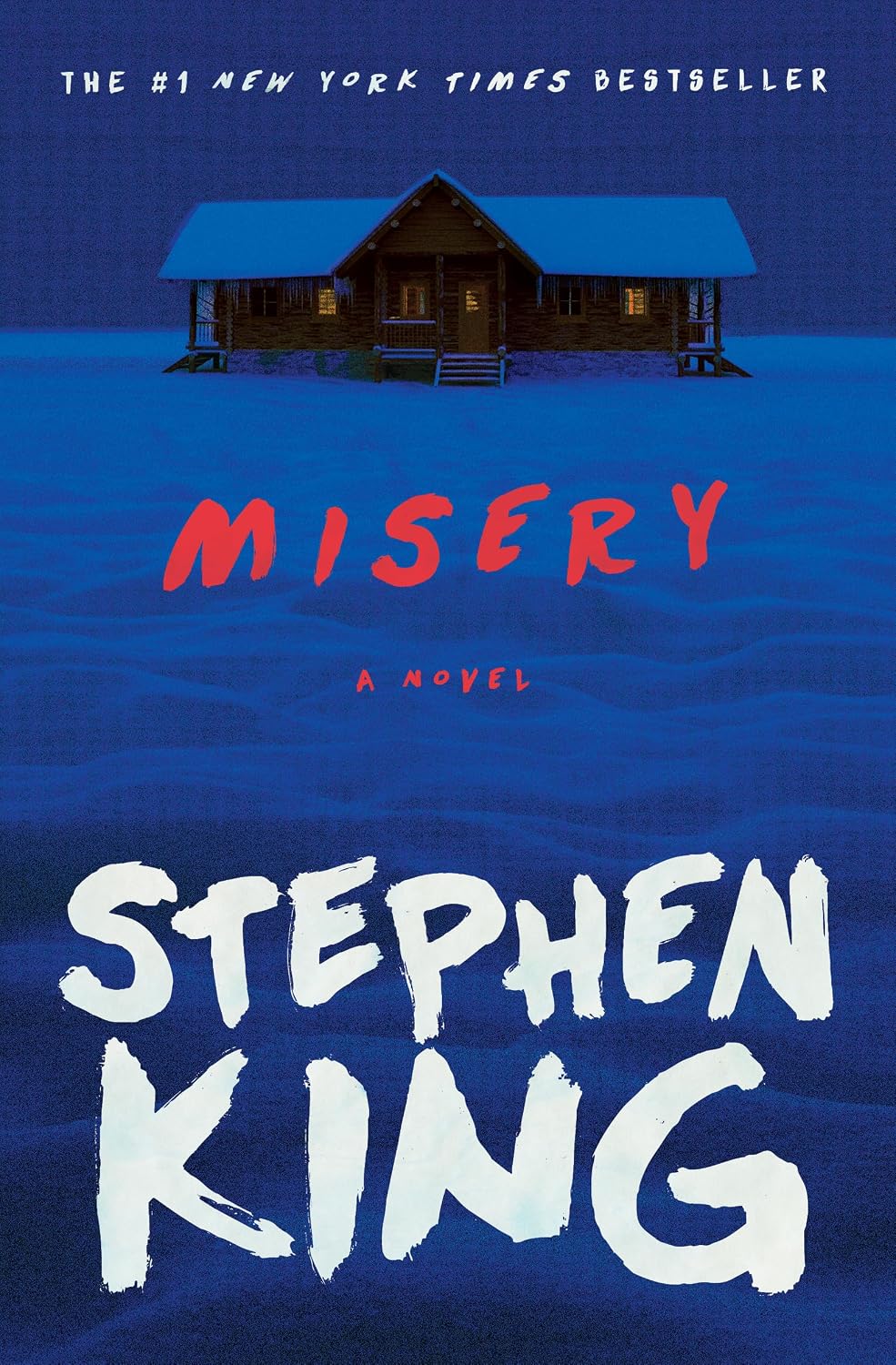
What it's about: Bestselling novelist Paul Sheldon has finally killed off Misery Chastain, the heroine who made him rich but whose adventures have come to represent everything he wants to escape as a writer. Then Paul crashes his car during a snowstorm and awakens in the secluded home of Annie Wilkes, a former nurse who proudly proclaims herself his “number one fan.” Unfortunately, Annie isn't pleased when she discovers what Paul has done to Misery. Imprisoned, badly injured and dependent on Annie for medication, Paul is ordered to write a new novel bringing her beloved character back to life. His ability to tell a story soon becomes both his prison and perhaps his only means of survival.
The readers say: Kemper sees the novel as an exploration of the bond—and sometimes conflict—between writers and their audiences, noting that while Annie desperately needs another Misery story, “Paul’s need to tell the story becomes just as compelling as Annie’s threats.” Kate takes that idea further: “In Misery it’s almost like we get to watch King write this story,” adding that King seems to make discoveries alongside the reader: “That’s what makes a good storyteller.”
Stephen King says: “The inspiration for Misery was a short story by Evelyn Waugh called ‘The Man Who Loved Dickens.’ It came to me as I dozed off while on a New York-to-London Concorde flight. Waugh's short story was about a man in South America held prisoner by a chief who falls in love with the stories of Charles Dickens and makes the man read them to him. I wondered what it would be like if Dickens himself was held captive.” (Stephen King)
‘'Salem's Lot’ (1975)
Amazon
Publisher: Doubleday
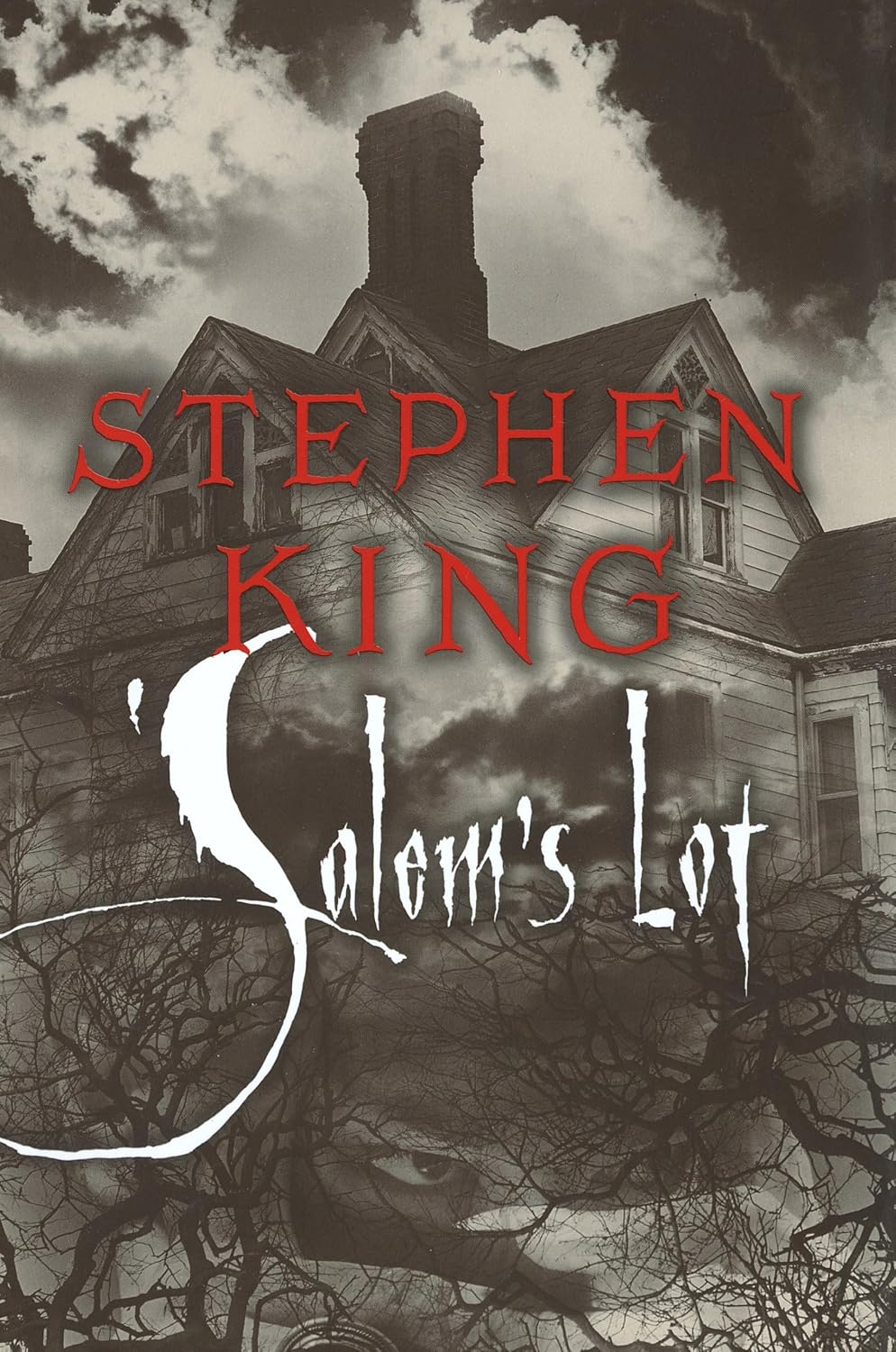
What it's about: Writer Ben Mears returns to Jerusalem's Lot, Maine, intending to confront childhood memories of the sinister Marsten House while using the town as inspiration for a new book. Instead, he discovers something far more dangerous has arrived. Residents begin disappearing, dying and returning as vampires, allowing an ancient evil to spread quietly from neighbor to neighbor. Ben joins a small group willing to believe what is happening and fight back before the entire community is lost. King's second published novel takes the familiar mythology of Dracula and drops it into an ordinary American town, where the secrets and darkness already hiding behind closed doors prove nearly as unsettling as the vampires.
The readers say: On rereading, Nataliya was struck by King's ability “to paint the setting,” particularly “the way he brings the small town with all its secrets to life.” Bradley had an even more dramatic reaction, disliking much of the character development when he read the novel at 14, but returned as an adult and raised his rating from three stars to five: “All the things I hated as a kid happen to be the things I love the most, here.” He concludes that although 'Salem's Lot is a vampire novel, “it is really a tragedy, through and through.”
Stephen King says: “One of my high school classes was Fantasy and Science Fiction, and one of the novels I taught was Dracula. I was surprised at how vital it had remained over the years; the kids liked it, and I liked it, too. One night over supper I wondered aloud what would happen if Dracula came back in the 20th, to America. ‘He'd probably be run over by a Yellow Cab on Park Avenue and killed,’ my wife said. That closed the discussion, but in the following days, my mind kept returning to the idea. It occurred to me that my wife was probably right—if the legendary Count came to New York, that was. But if he were to show up in a sleepy little country town, what then? I decided I wanted to find out, so I wrote 'Salem's Lot, which was originally titled Second Coming.” (Stephen King)
More about Stephen King
Horror Master Stephen King Says These 9 Books ‘Scared the Living Hell’ Out of Him
8 Stephen King Novels That Give Classic Gothic Horror a Brutal Modern Twist
Stephen King Was Skeptical of the New Spooky ‘Carrie’ Reboot but Changed His Mind: ‘The Beauty of Not Being Beholden to the Book’
Source: “AOL Entertainment”
